On the outskirts of Accra, Ghana, life gathers in the marketplace. Before the light settles over the day, vendors arrange fruit, fabric, tools and household goods beneath sun-worn tarps. Children weave between stalls. Neighbors stop to talk. Work, trade, family and friendship move together through the same narrow paths.
Over weeks spent on the outskirts of Accra while studying at the University of Legion, I stayed alongside the people who welcomed me into their homes, markets and neighborhoods. They shared stories of hope and hardship, of work, family, faith and uncertainty, trusting me to document not only their lives but the community they have built together.
This project is the result of those conversations and that trust. Through time spent listening as much as photographing, it seeks to tell a broader story of life beyond the center of Ghana's capital—where the city's edges are defined not by poverty or distance, but by resilience, connection and the everyday moments that bind a community together.
Photos published in Ghanaian Times and went on display at Union Galleries in Harrisonburg VA.
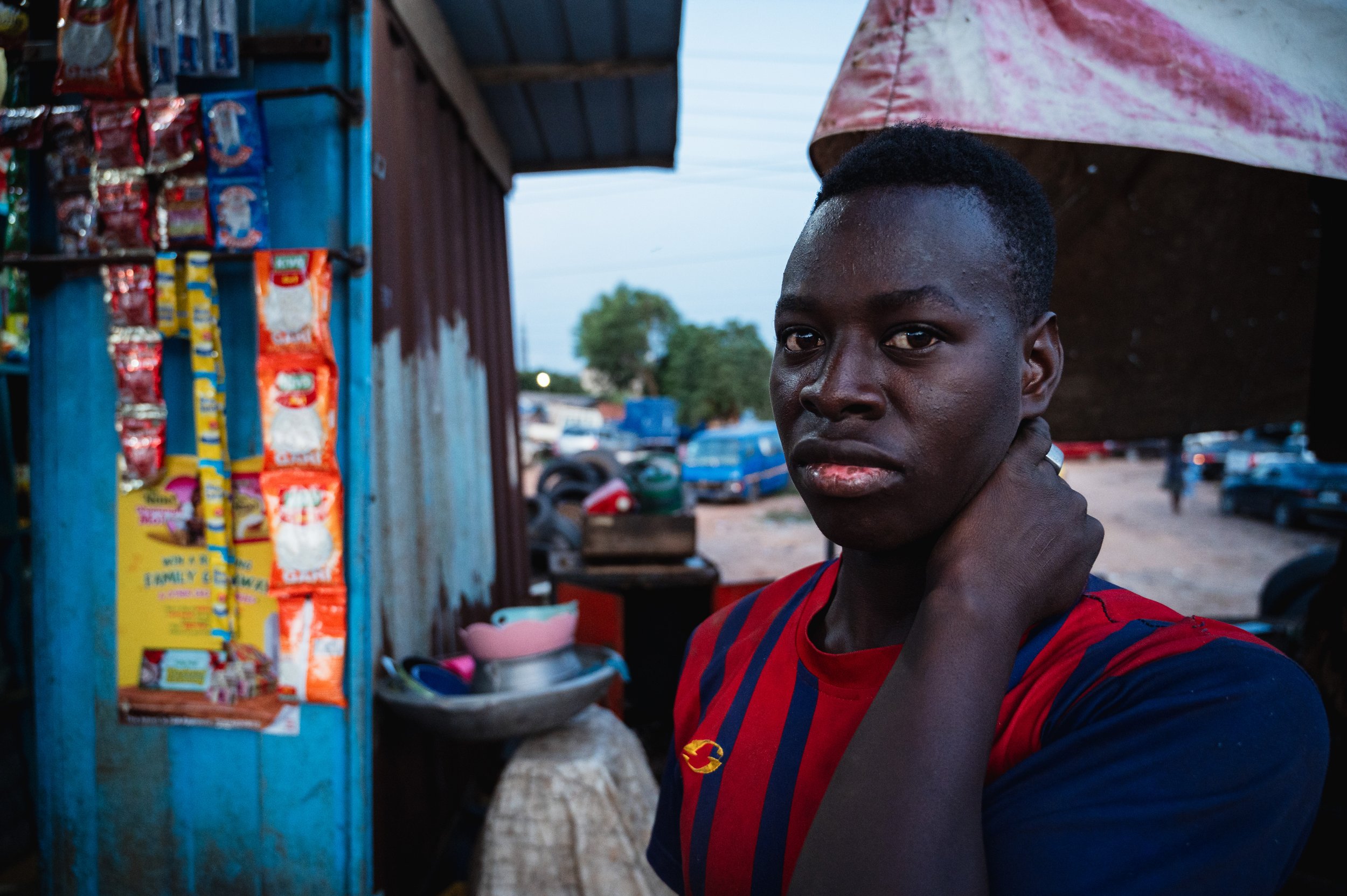
David, 16, spends his day stacking and moving tires at the roadside stall where his mother works in Accra, Ghana. Like many young people in the neighborhood, his days are shaped by family work, where labor is woven into daily life long before adulthood begins.
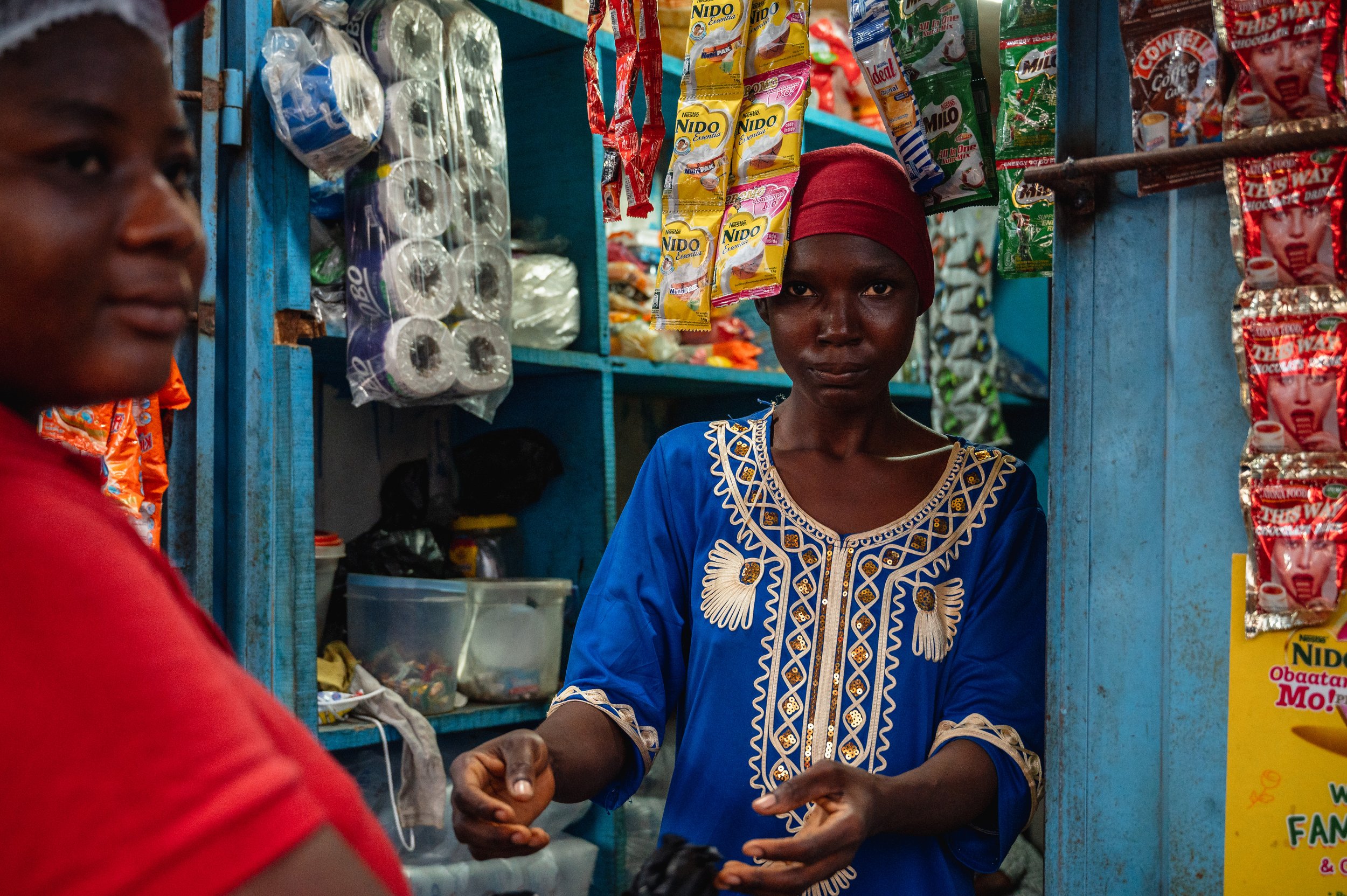
David's mother sells roasted nuts to a friend at her roadside stall in Accra, Ghana. Throughout the day, neighbors stop not only to buy food, but also to share conversation and news, making the stall a small center of community life.
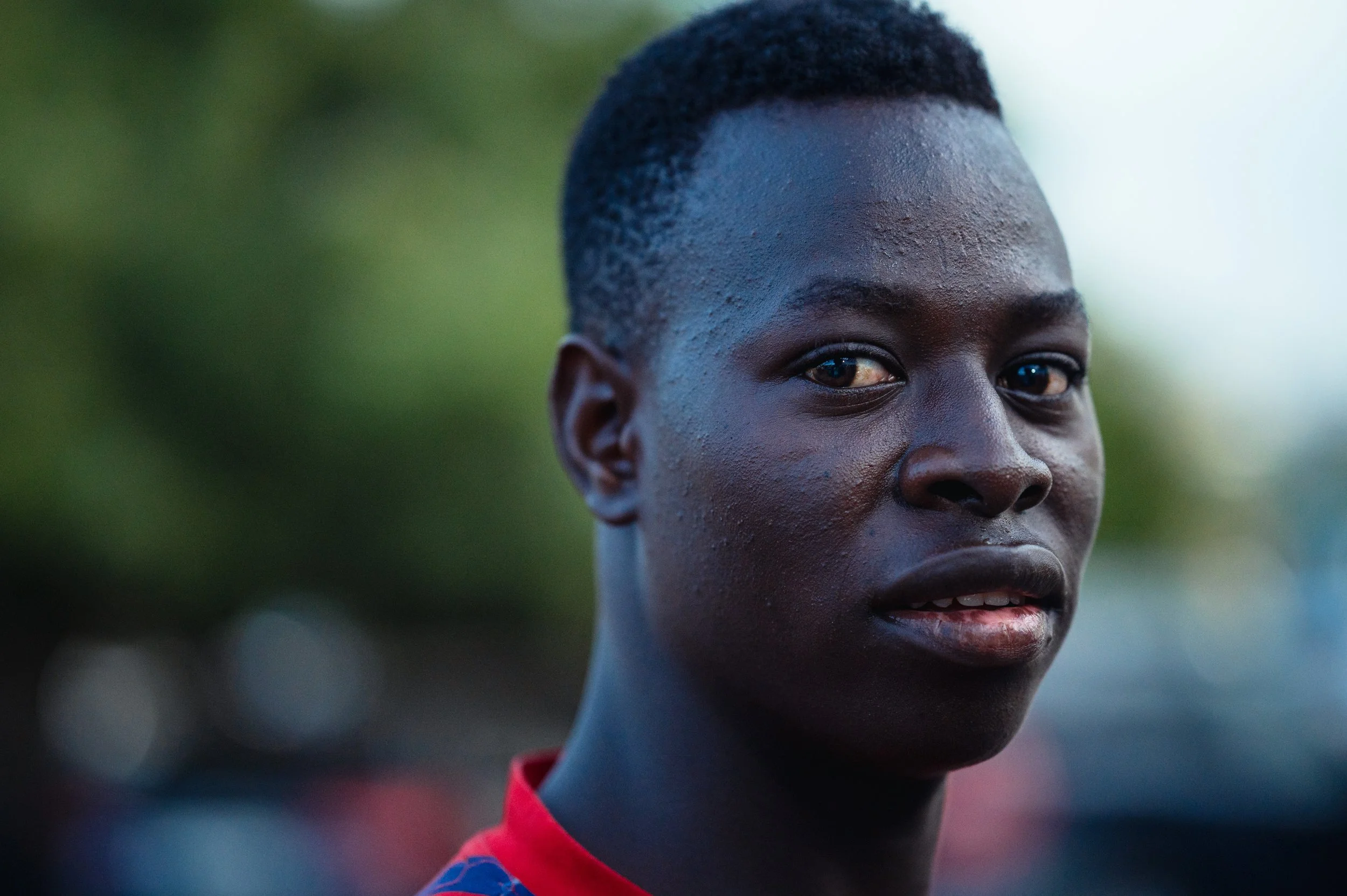
David says the moments he looks forward to most are playing soccer with his friends and cooking alongside his mother in Accra, Ghana.
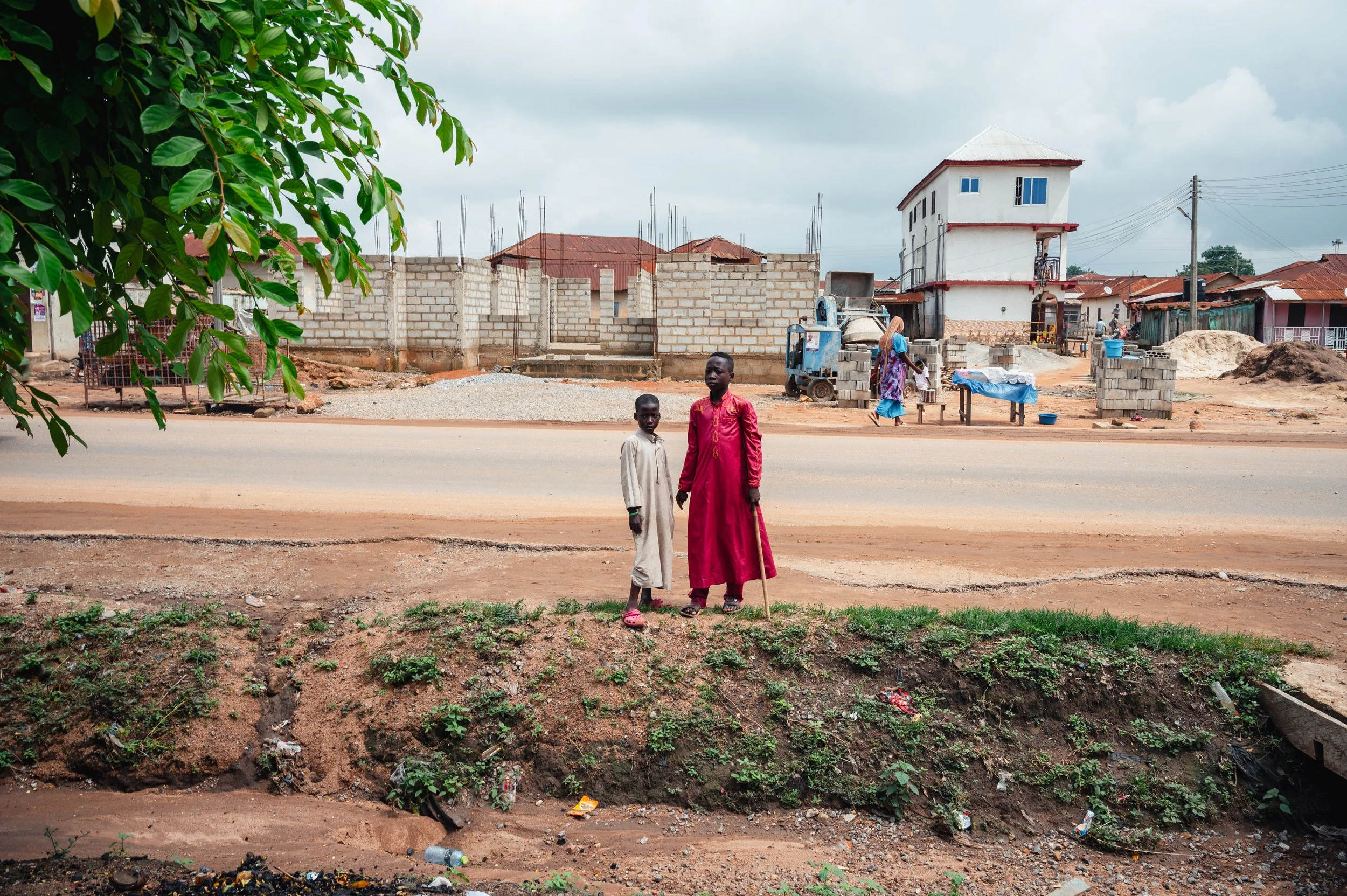
Two Muslim boys wait patiently while their father shops for livestock at a cattle market on the eve of Eid al-Adha in Accra, Ghana. Families across the country prepare for the holiday by purchasing animals for the traditional sacrifice.

A cow overlooks Accra, Ghana, on the morning of Eid al-Adha. Hours later, it would become part of a ritual observed by Muslim families around the world, commemorating Ibrahim's faith through the sacrifice of livestock, with the meat shared among relatives, neighbors and those in need.
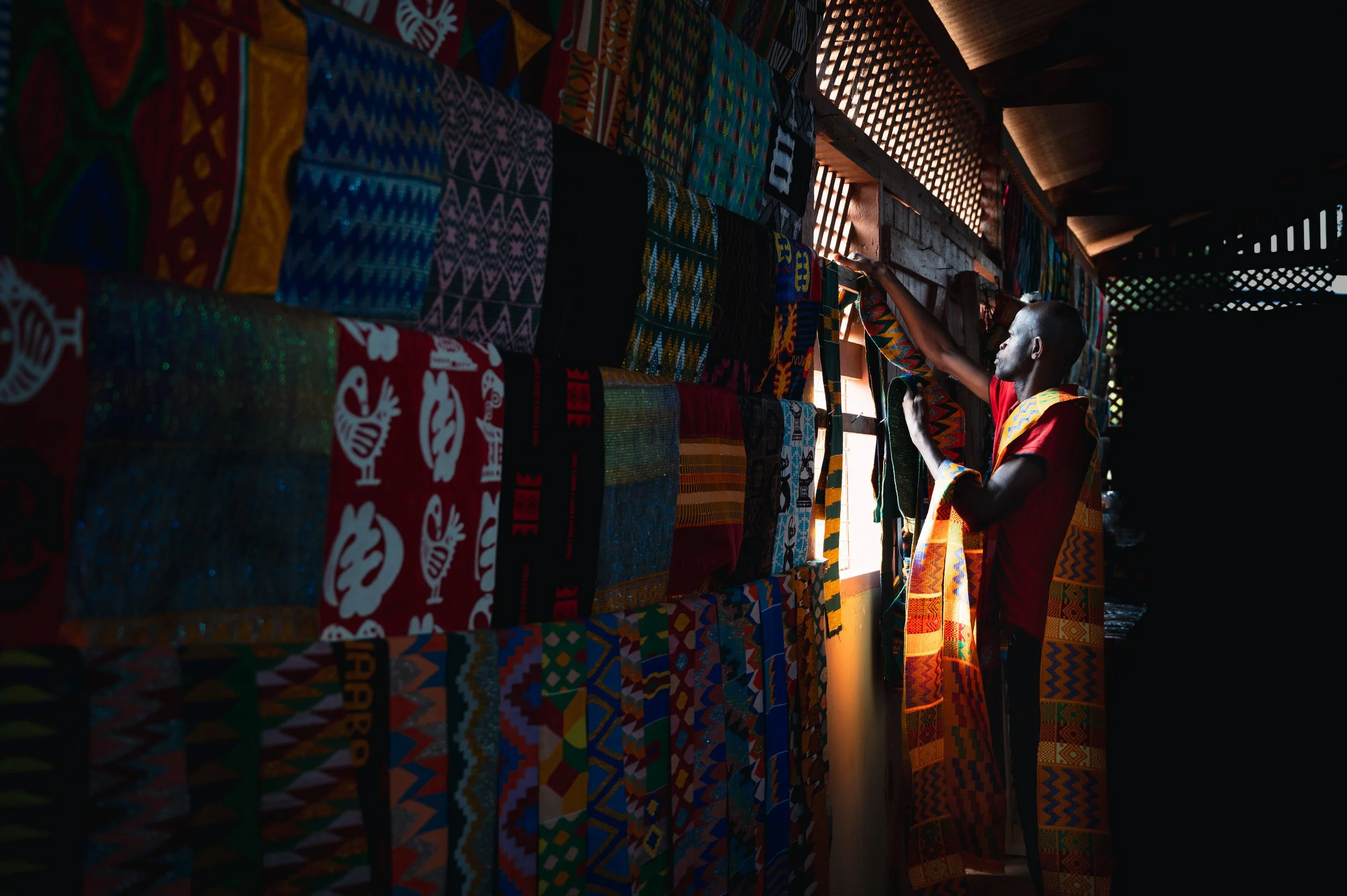
John hangs a newly woven piece of kente cloth created by his sister at the family's market stall in Accra, Ghana. Passed down through generations of artisans, kente is more than a textile—it is a visual language, with colors and patterns carrying meanings that accompany weddings, festivals, funerals, graduations and other important milestones throughout Ghana.
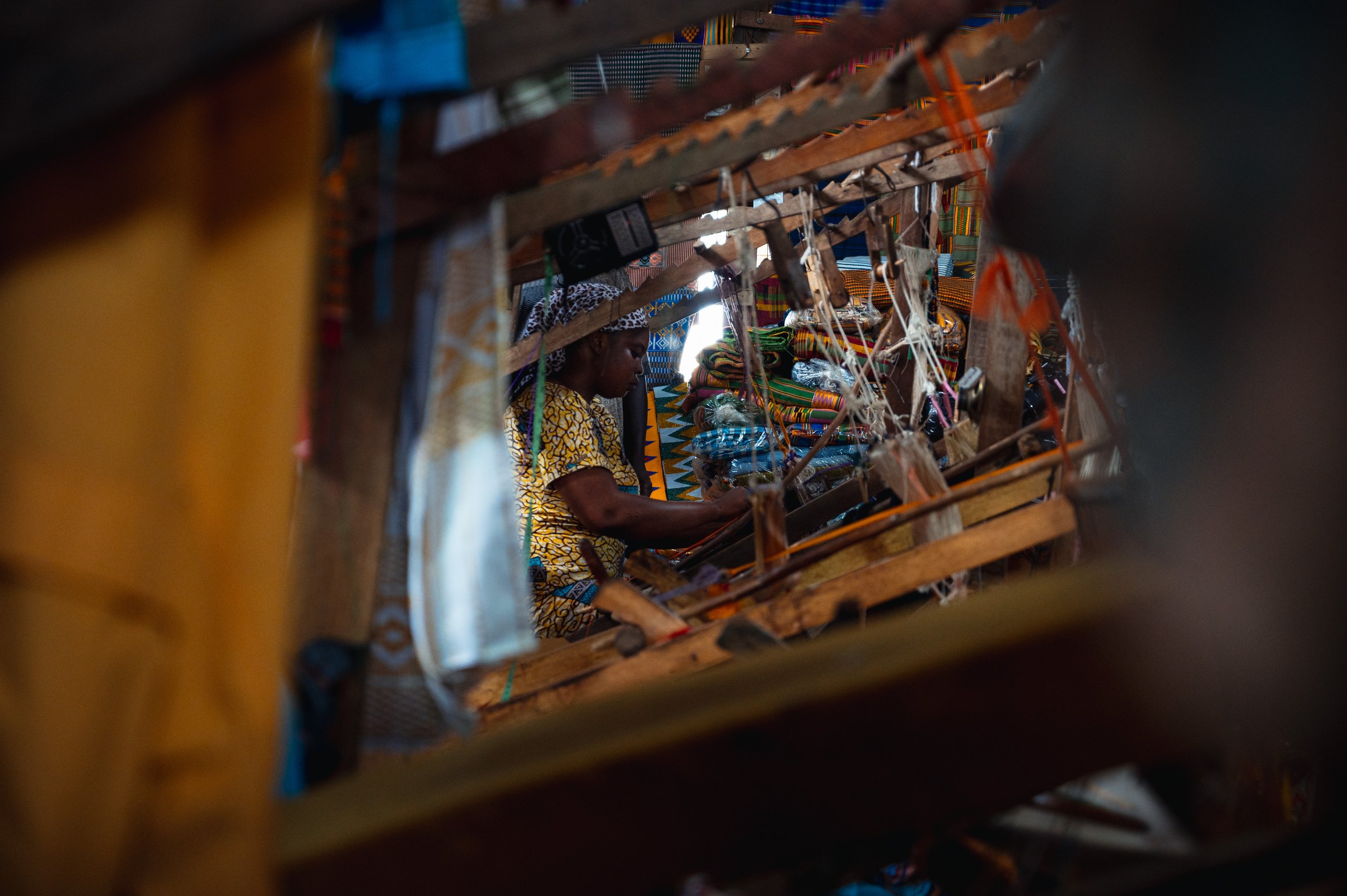
Amna weaves kente cloth at her family's workshop in Accra, Ghana. In a craft traditionally practiced by men in this community, she has become an uncommon presence at the loom, continuing a family tradition while quietly challenging expectations about who carries it forward.
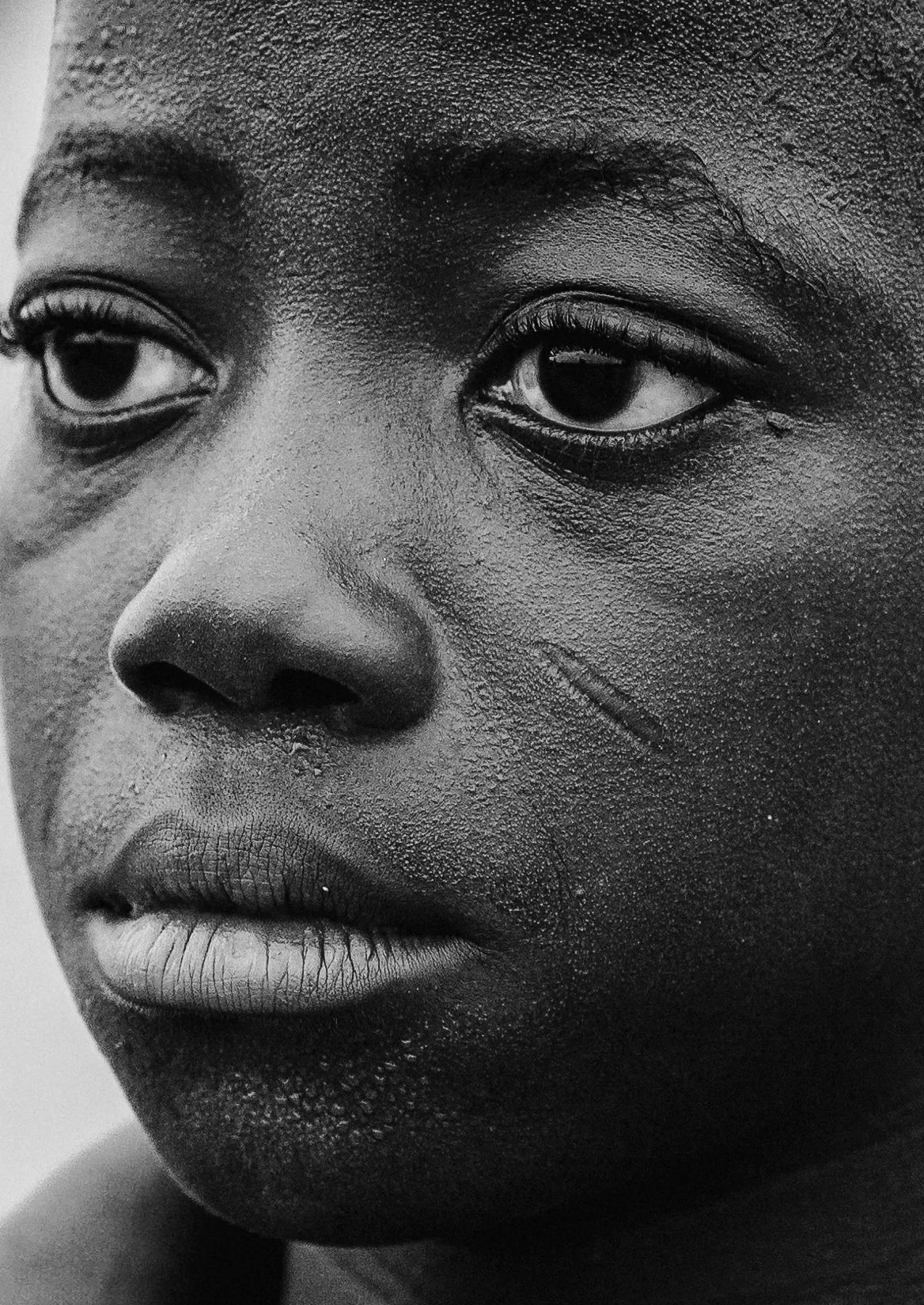
Kofi, whose name comes from the Akan tradition of naming children after the day of the week they are born, lost both of his parents a year ago. Today, he lives on the streets of Accra, Ghana, with several other orphaned children. Throughout the day, women and vendors in the surrounding market take turns feeding him, checking on him and offering the support of a community that has stepped in where family once stood.
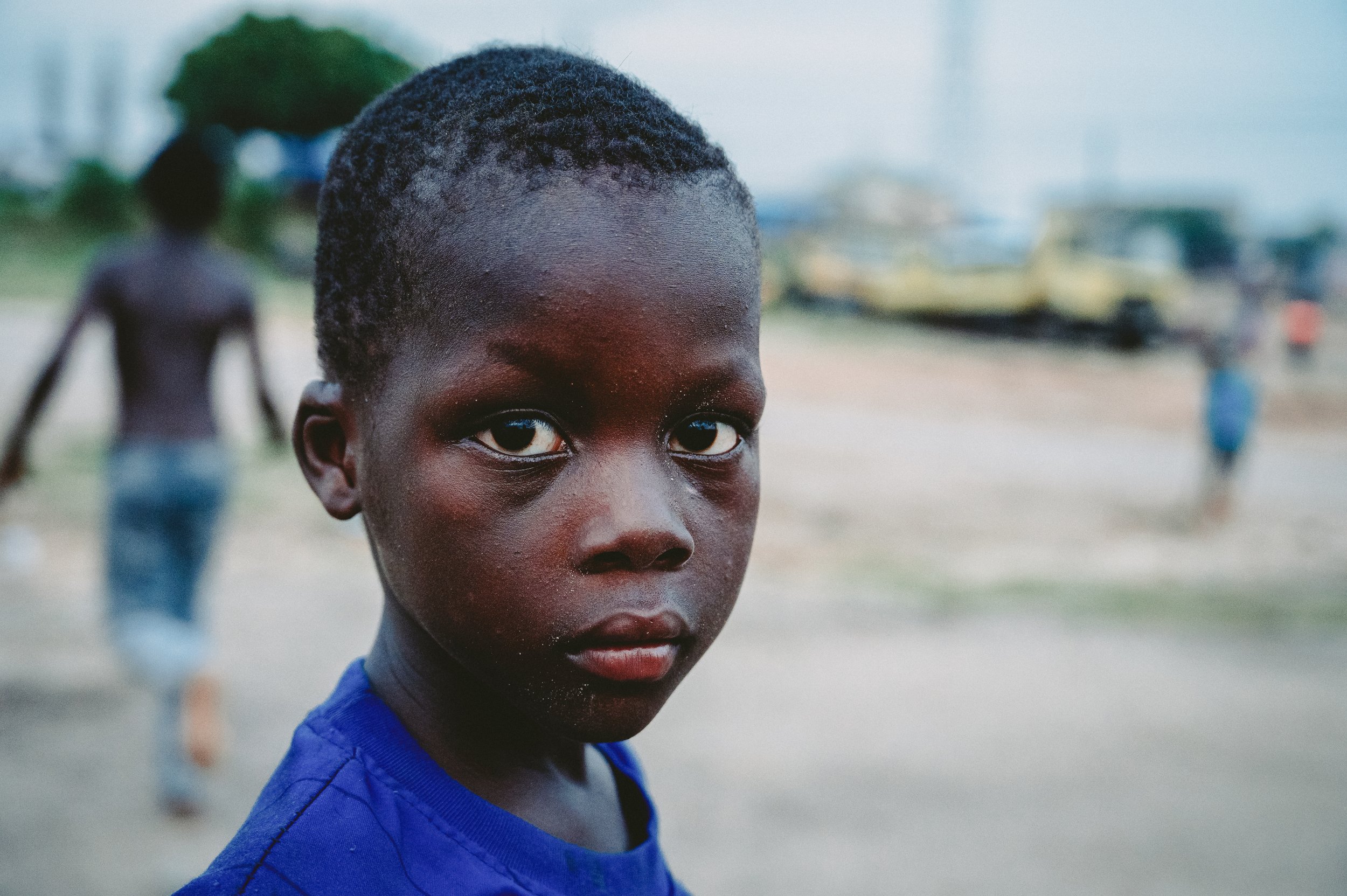
Umbaso lives on the streets of Accra, Ghana, while his older brother, Nicholas, works as a fisherman to help support him. The brothers remain together despite the loss of their parents, relying on family and the surrounding community to endure.
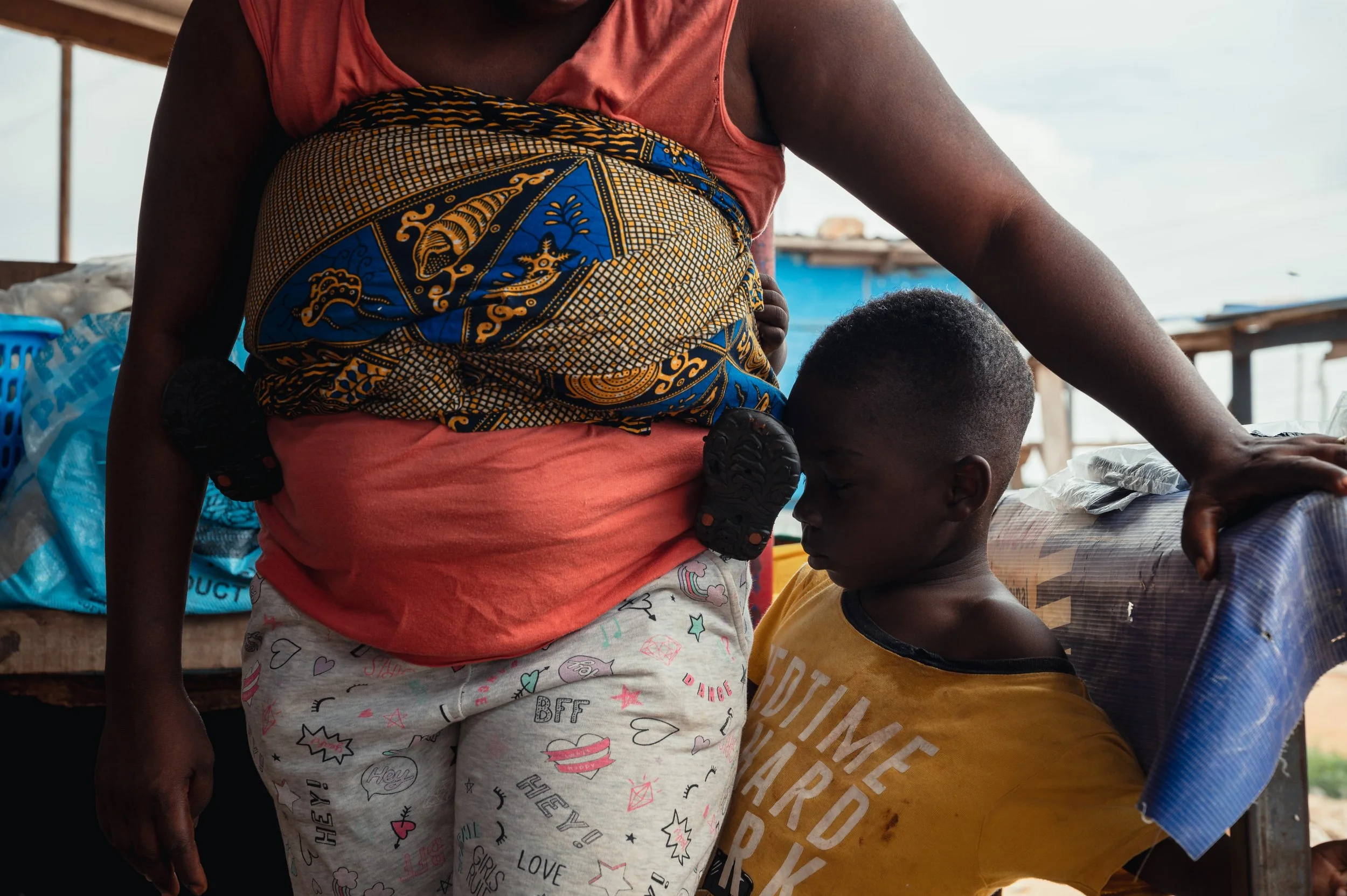
A family of market vendors pauses for a portrait inside their stall in Accra, Ghana. For generations, families like theirs have built livelihoods within the market, where work, tradition and kinship are passed from one generation to the next.
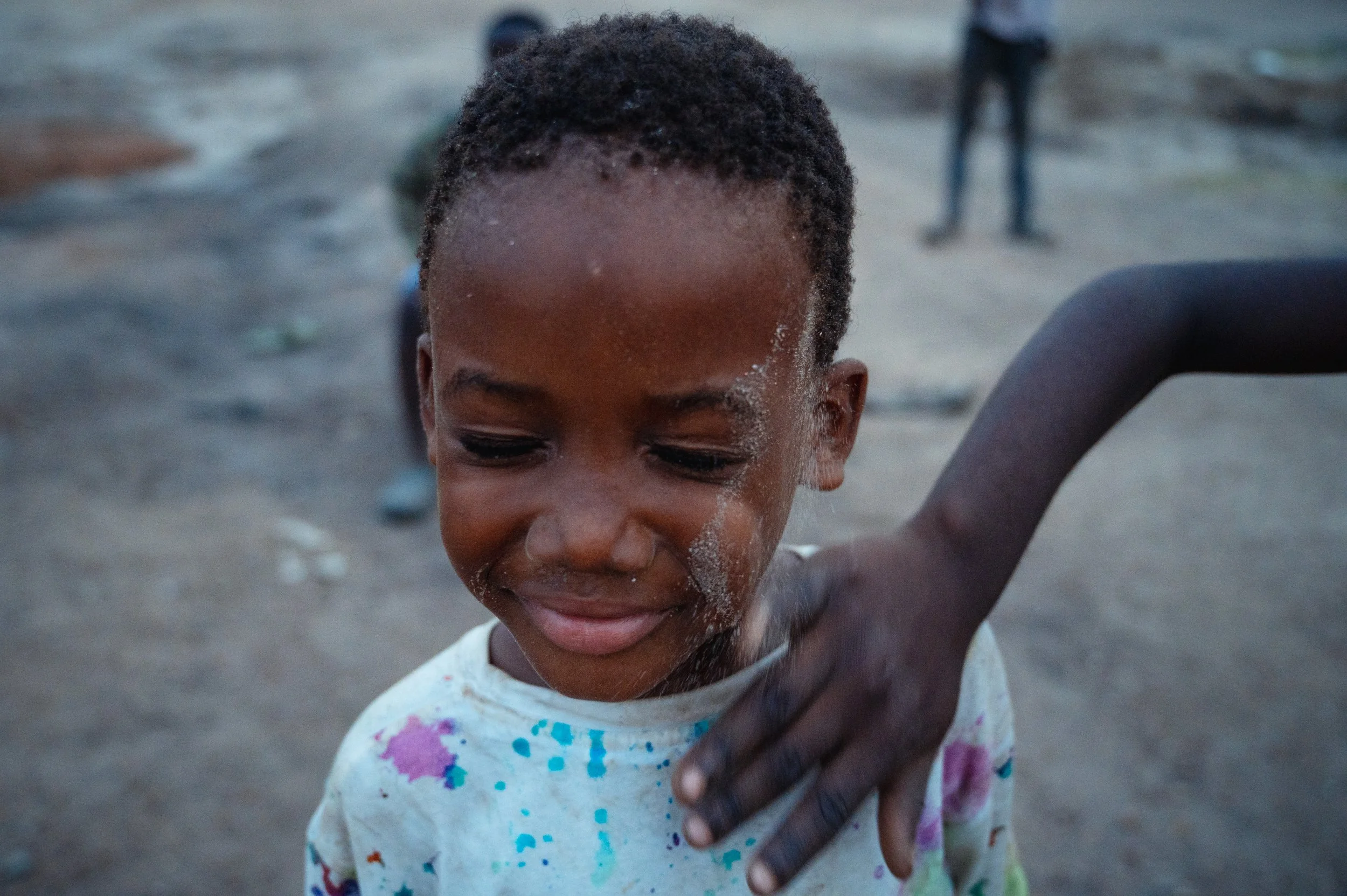
A young boy wipes sand from his friend Jacob's face during a soccer match in Accra, Ghana. Neighborhood games bring children together on dusty fields that double as gathering places for the community.

At twilight, boys play soccer on a patch of dirt once used to store abandoned cars on the outskirts of Accra, Ghana. As the heat of the day gives way to evening, the vacant lot becomes a neighborhood pitch, where children gather to play until darkness brings the game to an end.
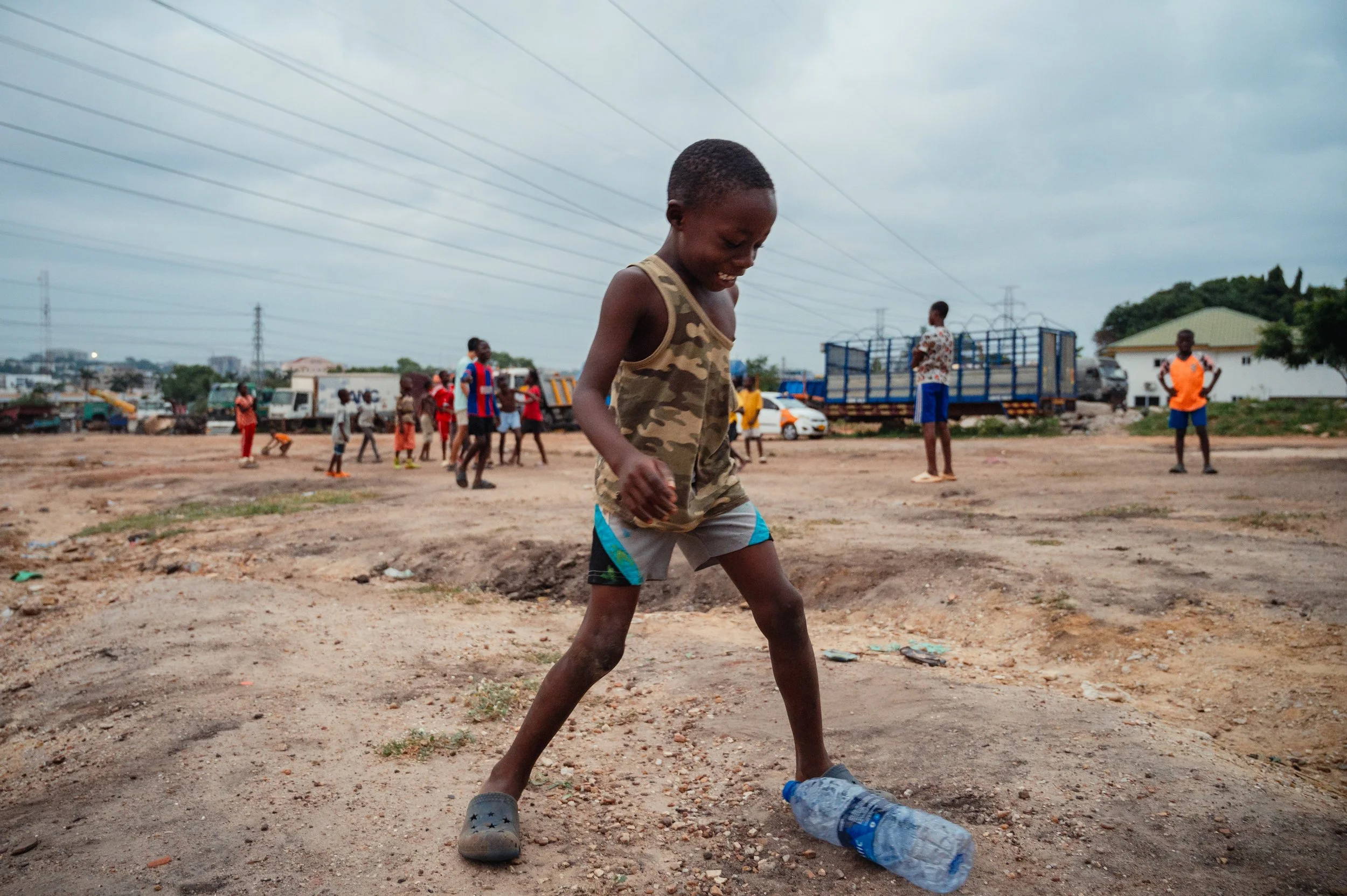
Bug, known by his neighborhood nickname, kicks a discarded water bottle through the dust instead of joining the older boys playing soccer in Accra, Ghana.
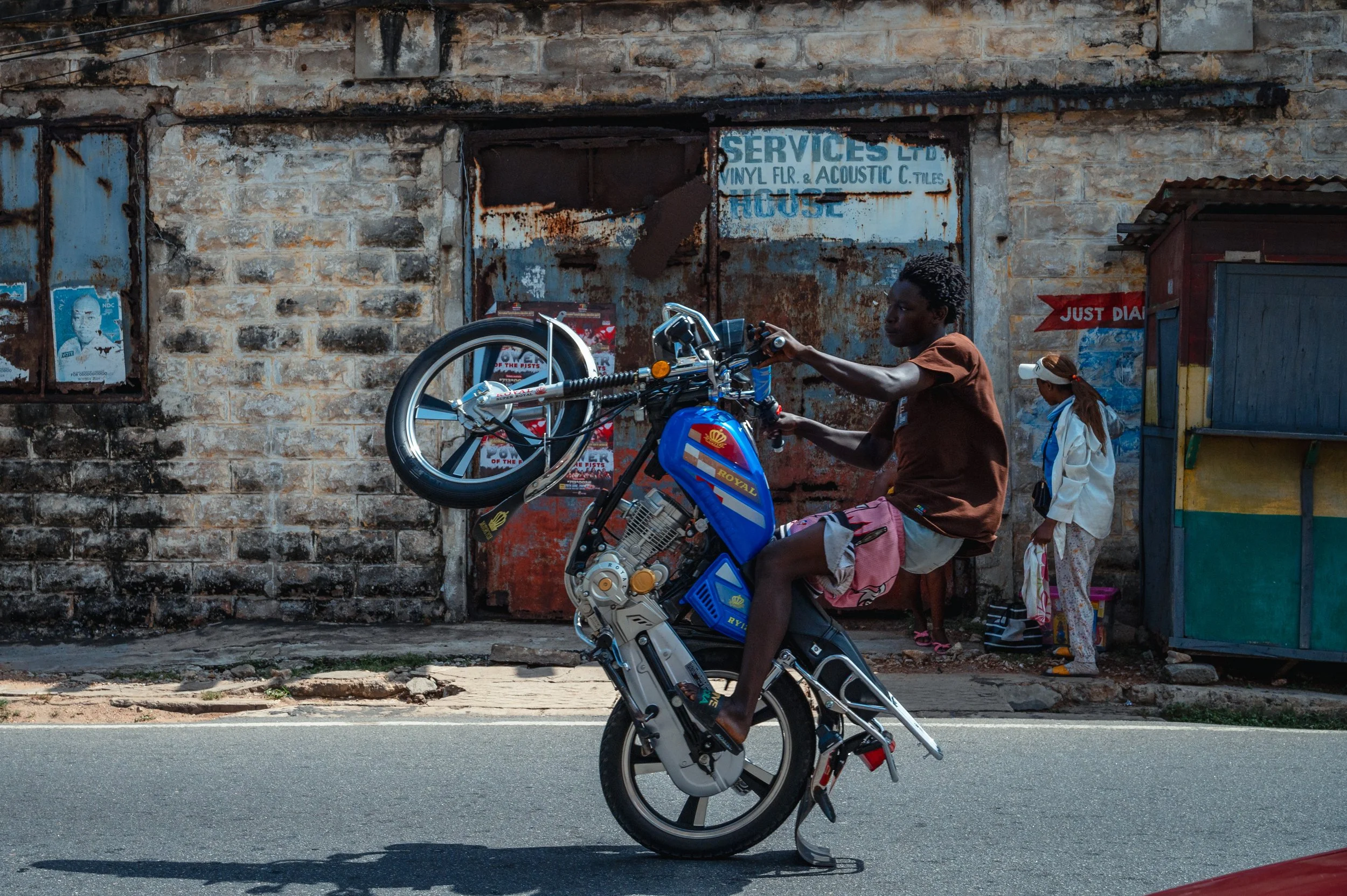
A young man joins a motorcycle funeral procession through the streets of Accra, Ghana, honoring the life of a friend. Family members and friends traveled together to accompany the funeral cortege.
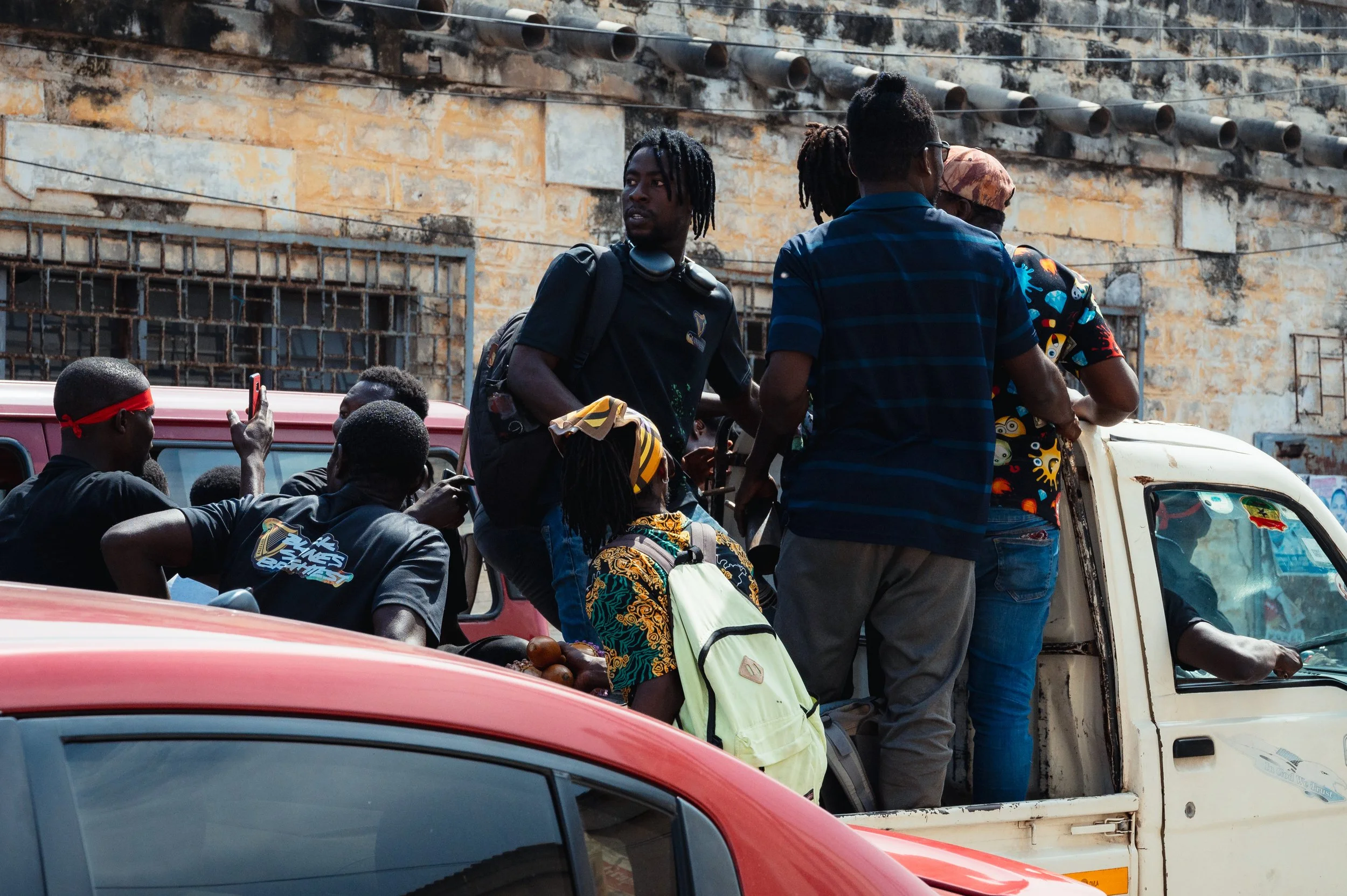
Friends of the deceased fire guns into the air while riding through the streets of Accra, Ghana, during a funeral procession. Music, vehicles and large gatherings of mourners accompanied the procession through the neighborhood.

A young boy approaches a passing car asking for food and water in Accra, Ghana. At busy intersections throughout the city, children often seek assistance from motorists waiting in traffic.
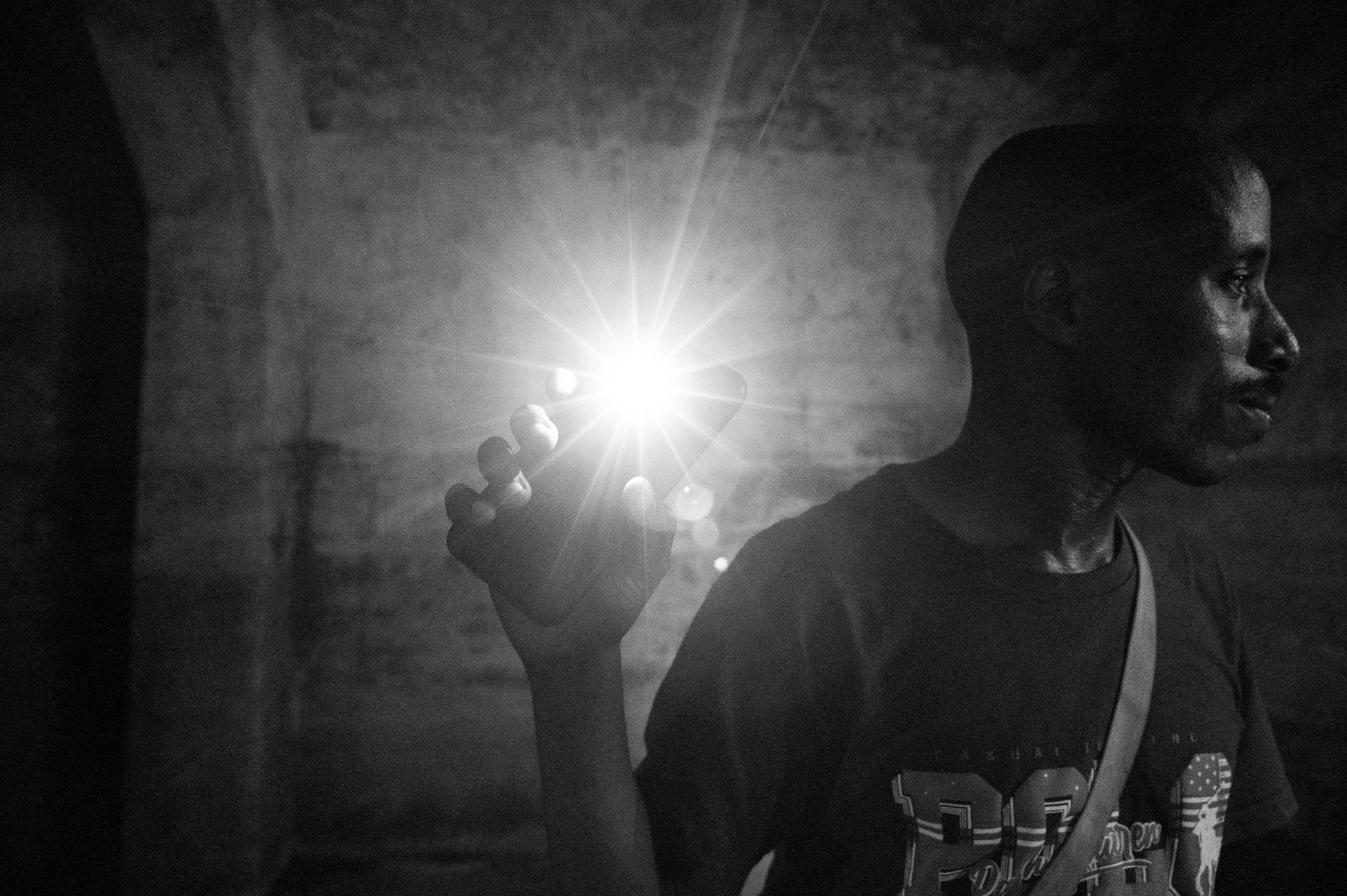
A tour guide leads a group of visitors into a former slave dungeon at Cape Coast Castle. The fortress served as one of the principal holding sites for enslaved Africans before they were transported across the Atlantic.
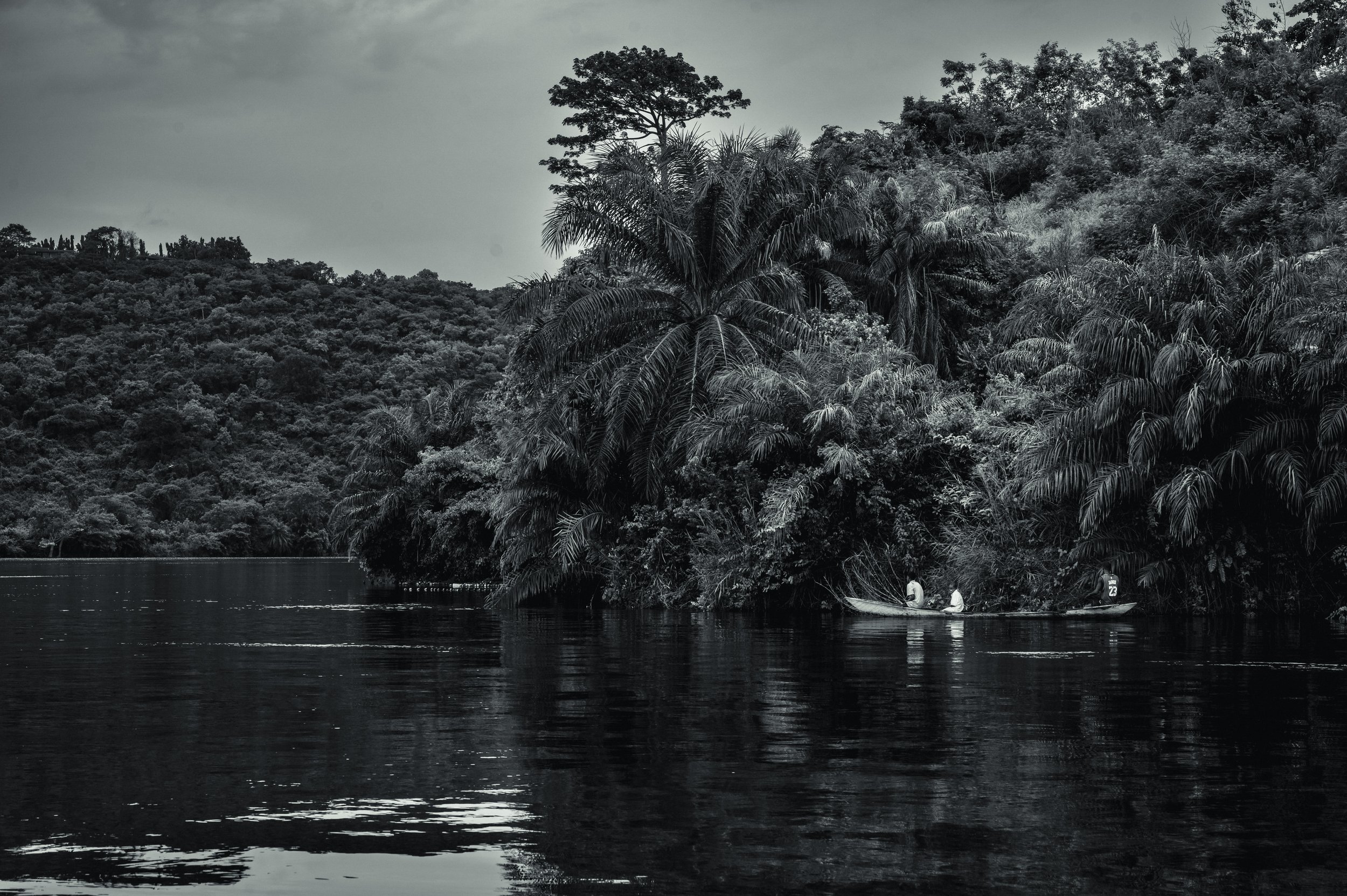
Boys paddle a wooden canoe across Lake Volta while fishing for tilapia. The lake has long sustained communities across central Ghana, where fishing is both a livelihood and a tradition passed from one generation to the next.